
Pipe liquid level and pressure monitoring system
-
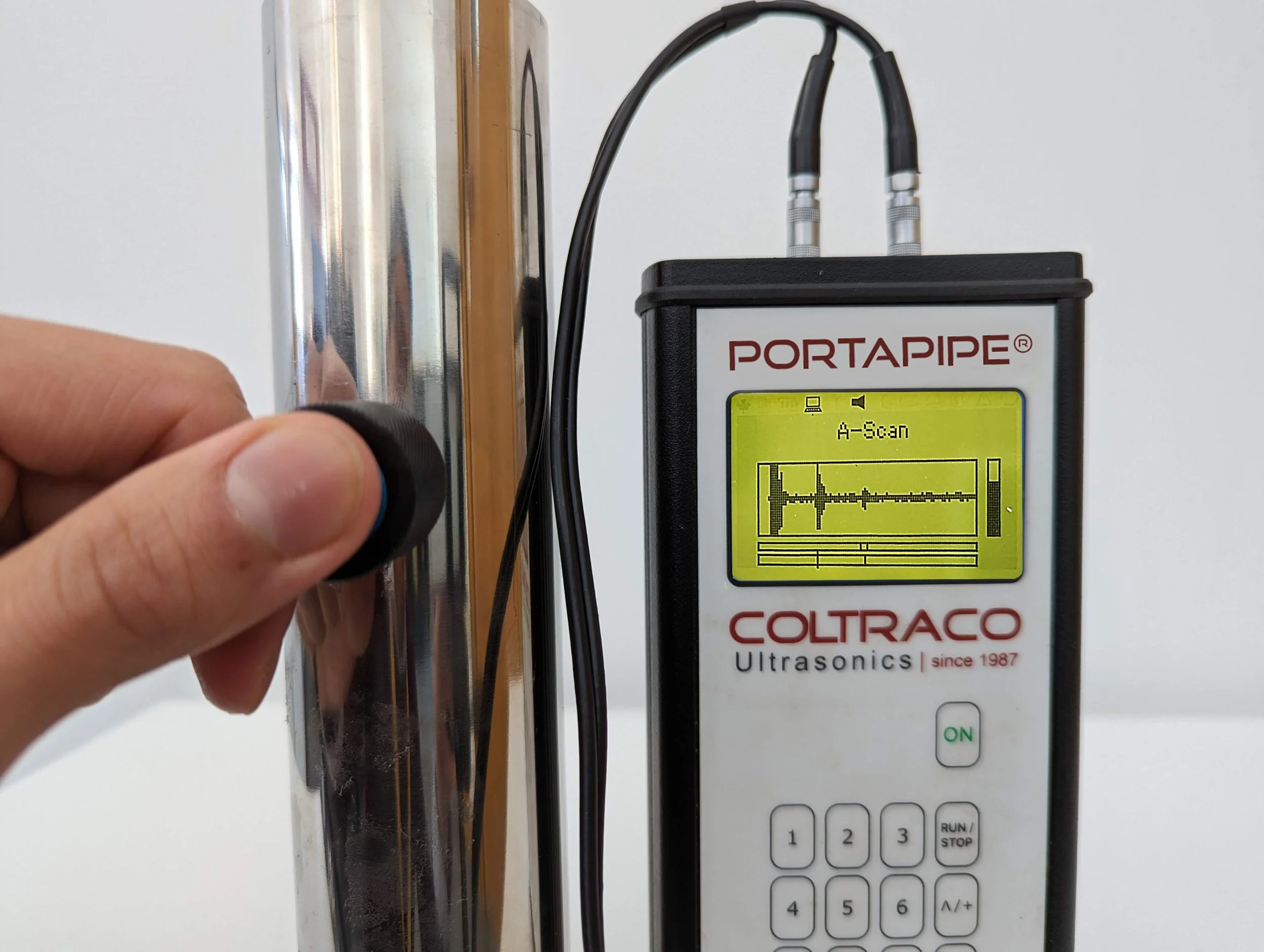
Portapipe®
The Portapipe® is a portable, battery‑powered device that non‑invasively provides accurate measurements of liquid levels inside a pipe.
-
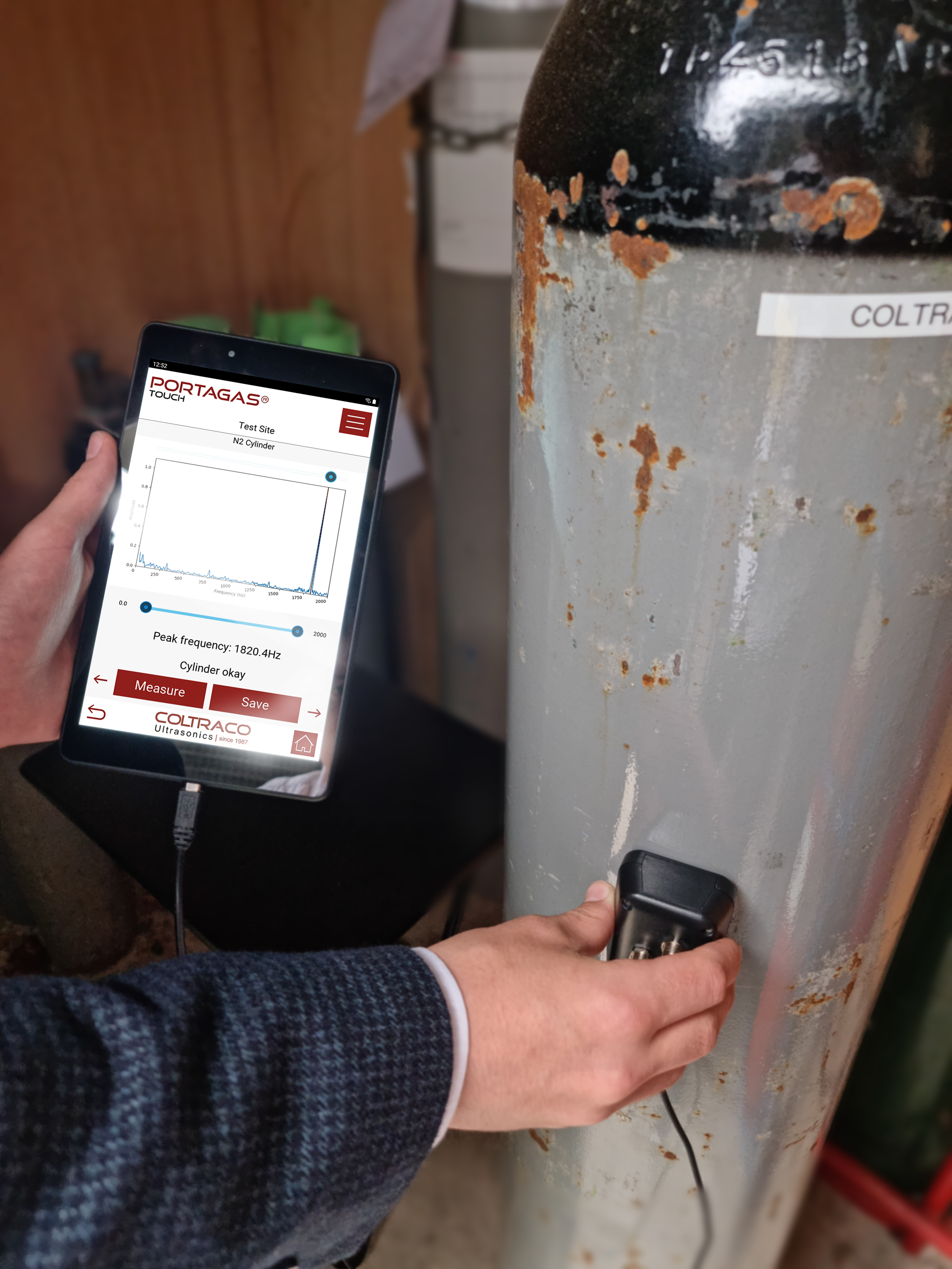
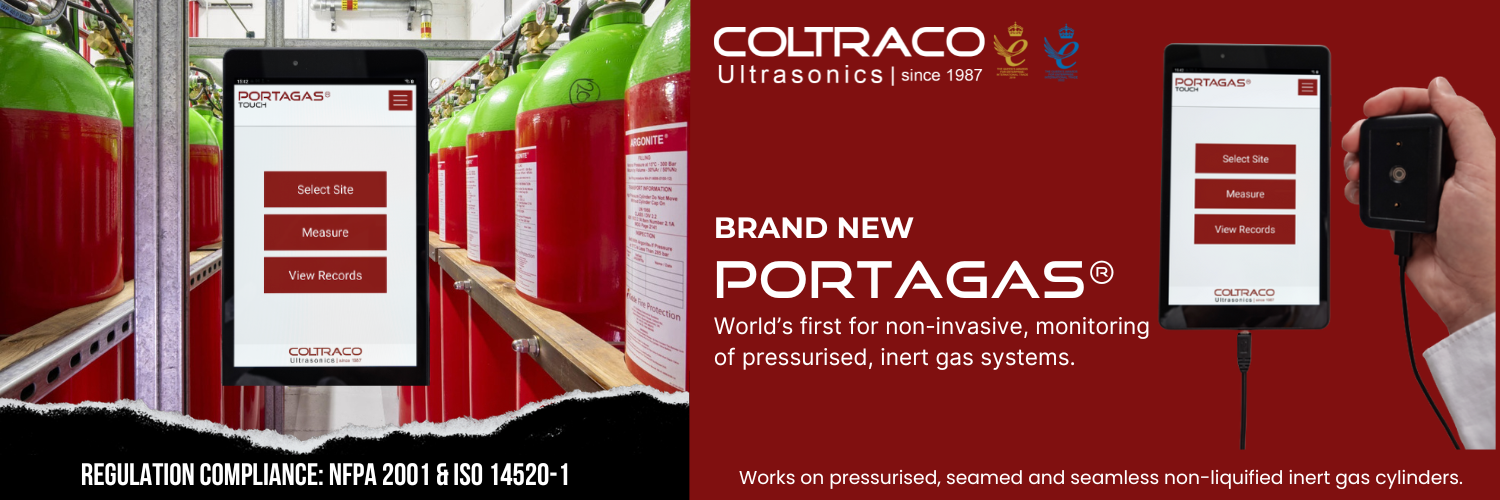
Portagas®
Portagas® is a world’s first technology for non-invasive, non-destructive monitoring of pressurised, inert gas systems.
What Is a Liquid Level Indicator?
A liquid level indicator determines how much liquid is present inside a tank, pipe, or vessel. Ultrasonic versions do this externally, sending sound waves through the container wall to detect whether liquid is present — no direct contact or internal installation required.
This approach works with many liquids and materials, including water, oils, chemicals, and food‑grade products. It is commonly used across sectors from food production to industrial maintenance.
How Do Ultrasonic Level Indicators Work?
The sensor emits a brief ultrasonic pulse that travels through the tank wall. When the pulse hits liquid, it reflects back. By measuring the return time, the device identifies whether liquid is at the measurement point.
A piezoelectric crystal and a small amount of gel ensure a stable signal path. The technique works on plastics, metals, and glass — and functions on hot or cold liquids — without draining, shutting down, or modifying equipment.
Where Are These Indicators Used?
Liquid level indicators are applied in many industries, including:
Power & utilities: monitoring transformer and RMU oil levels
Water management: checking storage tanks and pipelines
Food & beverage: monitoring drink dispensers, milk tanks, and processing lines
Chemical handling: measuring levels in resistant plastic tanks
Marine & offshore: maintaining fluid levels in challenging environments
In real‑world use, ultrasonic indicators often outperform mechanical float gauges, providing clearer, quicker measurements.
What Is a Non‑Contact Pressure Sensor?
A non‑contact pressure sensor reads the pressure inside a sealed tank or pipe from the outside. It uses acoustic or vibrational analysis to detect how internal pressure affects the container walls. This allows for continuous monitoring without opening the system or interrupting operation.
How Does It Work?
The sensor measures the container’s natural resonant frequency. When pressure changes inside, the vibration pattern shifts. By analysing these changes — and correcting for temperature — the system provides accurate pressure readings without needing internal probes.
Applications
Non‑contact pressure monitoring is used in:
Medical and pharmaceutical gas systems
Food & beverage processing
Power generation and energy systems
Oil & gas infrastructure
Environmental monitoring
Aerospace, transport, and refrigeration
Fire suppression cylinders
.
Featured Products
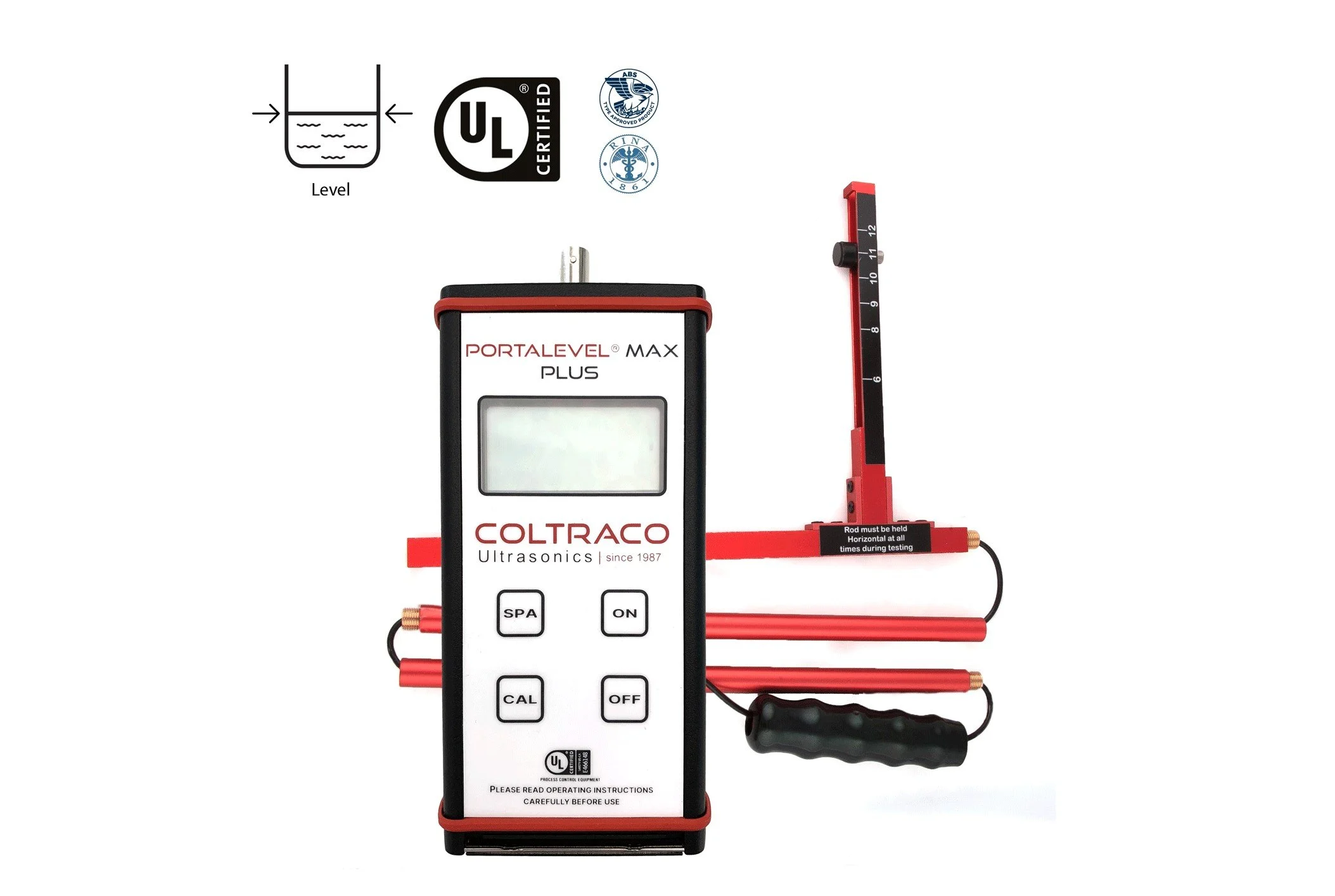
Precision Liquid Level Indication in Marine Environments
Portalevel® MAX MARINE PLUS is a highly capable, handheld liquid level indicator with ABS Type Approval for marine applications in level monitoring. Portalevel® MAX MARINE PLUS is fast, accurate, and reliable; with a survivable construction and cutting-edge ultrasonic capabilities, it allows an operator to non-invasively monitor the liquid level of almost any CO2, Halon, or Clean Agent fire suppression system at sea.
P/N: 2290334-COMXPSM
NSN: 6680-99-192-2735
IMPA MSG P/N: 652776
CAGE Code: KD983 – COLTRACO LIMITED
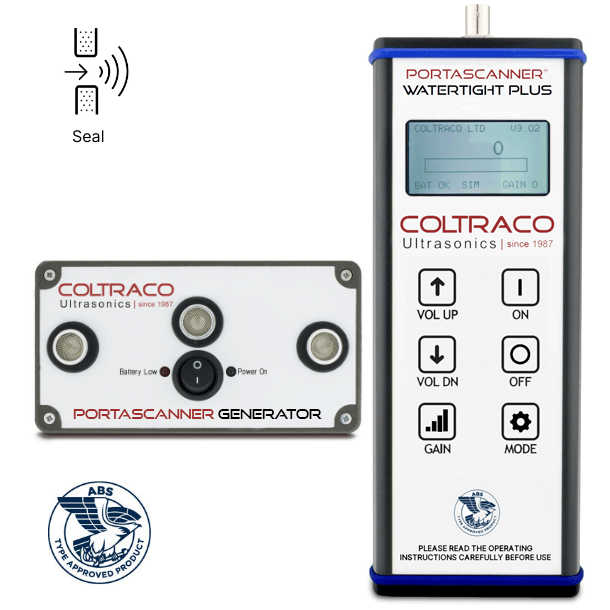
Portascanner® WATERTIGHT PLUS
Portable watertight inspection scanner for shipboard and offshore use
Intended use: Rapid non-destructive inspection of containers, cargo holds, compartments, tanks and confined spaces for illegal goods, contraband, stowaways, and security threats; also suitable for routine cargo checks and safety inspections
Scanner technology: High-sensitivity passive millimeter-wave / terahertz passive imaging (or alternate specified passive/radiometric sensor depending on model) providing through-clothing and through-packaging imaging of concealed objects; low-power active illumination option available on selected variants for low-ambient scenarios
Resolution & performance: Typical angular resolution configured for human-size target detection at ranges up to 5–10 meters (model-dependent). Frame rate: real-time display (≥15 fps). Detection range and minimum detectable object size vary by model and environmental conditions; factory performance datasheet supplied with unit.
Watertight rating: IP68 or IP67-rated enclosure (model dependent) with certified sealing for temporary submersion and continuous protection against ingress of dust and seawater spray
Environmental specifications: Operational temperature range typically -20°C to +55°C; storage -40°C to +70°C; humidity tolerance up to 100% condensing when sealed; designed for shipboard vibration and shock per relevant marine standards
Dimensions & weight: Compact, portable form factor—typical approx. 350–500 mm length, 200–300 mm width, 150–220 mm depth; weight range approx. 4–9 kg depending on configuration and batteries

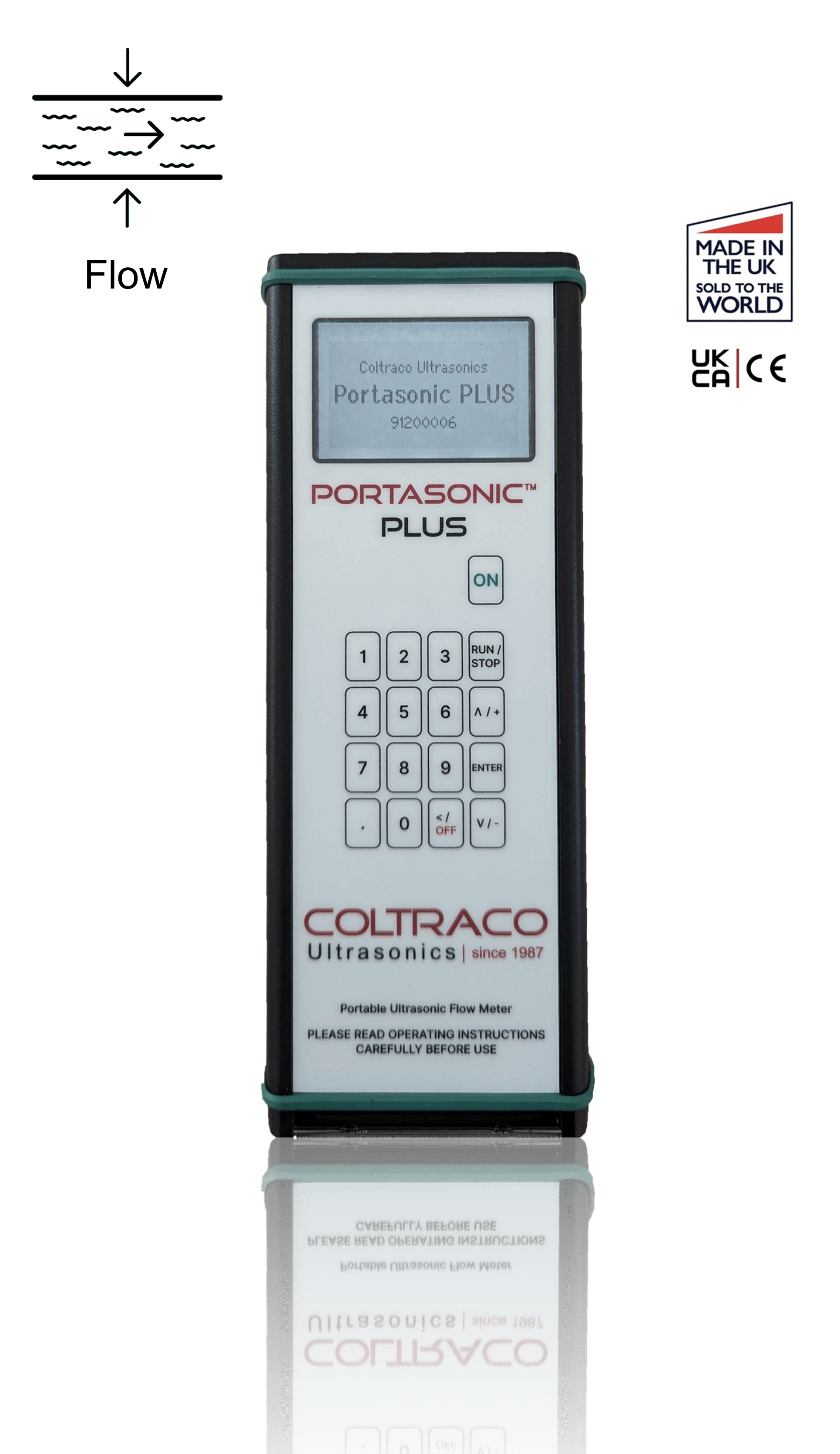
The Portagauge® 6 is a multiple echo ultrasonic thickness gauge for measuring the thicknesses of various metals and rigid plastics, which ignores any coating up to 20mm in thickness. It has a built-in datalogger to store up to 200,000 thickness measurements and minimum thickness alarm functionality.
Applications
Ship hull and structural member inspection
Tank and pipeline corrosion surveys
Fabrication quality control and weld inspection
Offshore platform maintenance and inspection
Aircraft and composite component thickness verification
Preventive maintenance programs and asset management
Specifications (typical)
Measurement range: thin to several inches (depending on probe)
Resolution: 0.01 mm / 0.001 in (model dependent)
Accuracy: ±0.1 mm or better (model and conditions dependent)
Display: Backlit LCD for clear readings
Modes: Single-echo, dual-echo, echo-to-echo, AVG, MIN/MAX
Data storage: Internal memory with export via USB/Bluetooth
Operating temperature: Suitable for typical industrial field conditions
Power: Rechargeable battery pack / replaceable batteries